
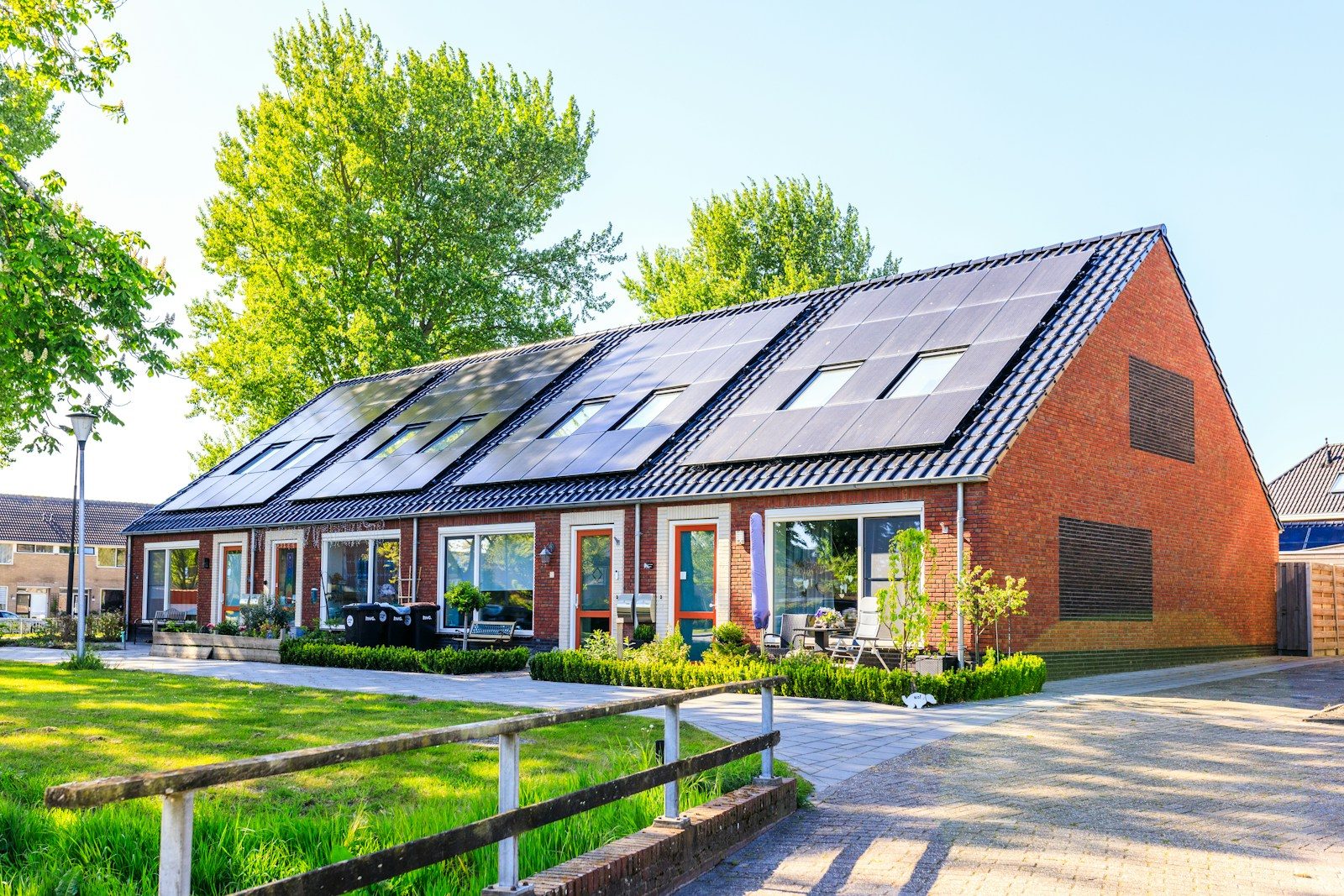
Solar panels installed under a loan rather than owned outright introduce a genuine wrinkle into a sale, one that catches some homeowners off guard when they assume the panels simply add value without considering the attached financing obligation still following the property. Understanding exactly how this works helps you navigate a sale involving this specific situation without unnecessary confusion or delay.
Why This Differs From Owning Panels Outright
Solar panels purchased with cash, fully owned by the homeowner, function as a straightforward property improvement. Panels financed through a loan carry an ongoing obligation, sometimes structured as a personal loan, sometimes as a lien specifically attached to the property itself, a distinction that meaningfully affects how a sale needs to be handled.
How to Determine Which Type of Financing Applies to You
Reviewing your original solar financing agreement clarifies whether your loan is a personal loan, unattached to the property title, or a secured loan creating an actual lien against the property, information that significantly affects how straightforward or complicated your specific sale will be.
What Happens With a Personal, Unsecured Solar Loan
If your financing is structured as a personal loan not attached to the property title, this debt is simply yours to continue paying or to pay off separately, and it does not directly complicate the property sale itself, since the property’s title remains unaffected by this personal obligation.
What Happens With a Property-Secured Solar Loan
If your financing created an actual lien against the property, this needs to be addressed at closing the same way any other lien would be, either paid off from your sale proceeds or, in some cases, formally transferred to the buyer if they are willing to assume the remaining solar loan themselves.
Why Buyers Sometimes Hesitate at Assuming a Solar Loan
Taking on an existing solar loan requires a buyer to qualify for and formally assume that specific debt, an extra step many buyers, particularly cash buyers focused on a fast, simple transaction, generally prefer to avoid, often making payoff at closing the more practical path forward.
How This Affects Your Evaluation and Offer
A cash buyer evaluating your property factors in the actual payoff amount for any property-secured solar loan, treating it similarly to any other lien that needs resolution as part of the closing process, rather than adding the panels’ theoretical value without accounting for this attached obligation.
Why Solar Panels Do Not Automatically Add Full Value
Even panels adding genuine energy savings do not necessarily increase a sale offer by the full amount you originally paid for them, since buyers weigh the ongoing loan obligation, if one exists, against whatever benefit the panels themselves genuinely provide.
Gathering the Right Documentation Before You Sell
Locating your original solar financing agreement, confirming your current loan balance, and understanding whether your specific loan created a property lien are all steps worth completing before you request an offer, ensuring accurate evaluation from the very start.
What Happens If This Complication Was Not Disclosed Early
A previous sale fell through at the last minute sometimes traces back to exactly this kind of undisclosed complication surfacing late in a transaction, underscoring why disclosing your solar financing situation upfront protects your current sale from a similar, avoidable disruption.
Moving Forward With This Specific Situation
Solar financing, whatever type you have, is a solvable detail rather than a barrier to selling, and understanding your specific situation clearly before you request an offer ensures the evaluation and closing process account for it accurately from the very beginning.

Leave a Reply