
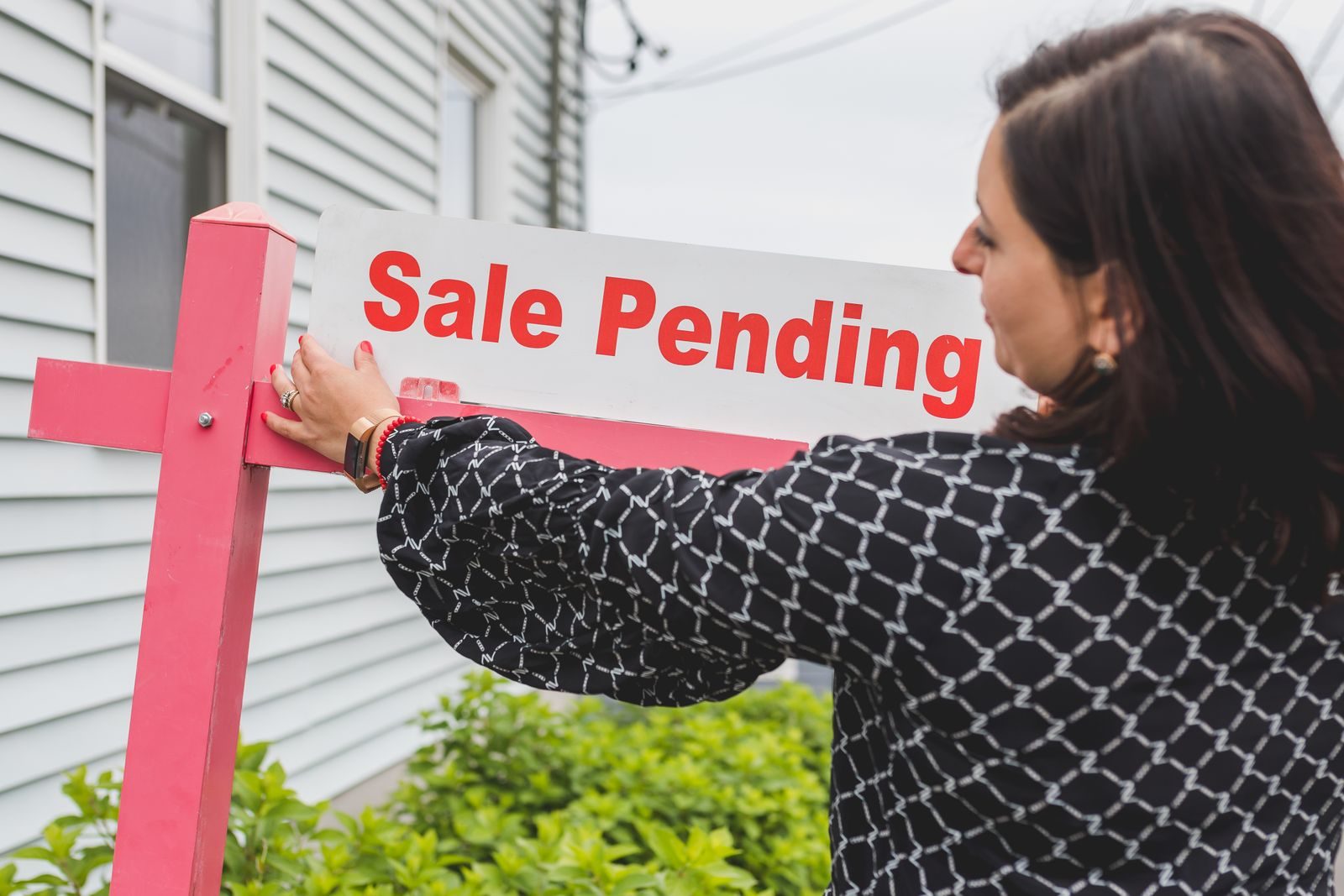
A property marked pending sometimes still receives calls, offers, or general interest from other buyers, leaving both the seller and these interested parties uncertain about what this status actually means and whether there is genuinely any room left to act. Understanding exactly what pending status represents, and how firmly it typically holds, clarifies this common point of confusion for everyone involved.
What Pending Status Actually Indicates
This status means a purchase agreement has been signed and the transaction is actively moving toward closing, distinct from an earlier stage where a property might simply be under consideration or receiving offers without any binding commitment yet in place.
Why This Status Is Not Always Absolutely Final
Despite indicating an active, signed agreement, a pending sale can still fall through for various reasons, a buyer’s financing failing, a title issue proving unresolvable, or simply a buyer backing out under a contingency their agreement still allows.
What This Means for a Homeowner Still Receiving Other Interest
If you are the seller and continue receiving calls despite already being under a signed agreement, you are generally not obligated to engage with these inquiries, though keeping a polite record of anyone genuinely interested can prove useful if your current pending transaction does happen to collapse.
Why Some Sellers Keep a Backup Buyer in Mind
A seller who has experienced a previous transaction fall apart sometimes stays informally aware of a strong secondary interested party, not through any formal backup offer arrangement, but simply as a mental note of who to reach out to first should their current pending sale not actually complete.
What a Genuinely Formal Backup Offer Involves
Some purchase agreements do allow for a formal, documented backup offer, an arrangement where a second buyer’s offer becomes active automatically if the primary pending transaction fails, though this requires specific language and mutual agreement rather than existing as a given.
Why Buyers Should Understand This Status Correctly Too
A buyer expressing interest in a property already marked pending should understand their offer, if made at all, would only become relevant if the current transaction genuinely collapses, information worth knowing before investing significant time pursuing a property that may very well close successfully under its existing agreement.
How Long Pending Status Typically Lasts
This status generally persists for however long the specific transaction’s closing timeline requires, meaning a cash sale might show pending status for only ten to twenty-one days, while a traditional financed sale could remain pending for a month or more before actually closing.
Why a Fast Closing Timeline Shortens This Window Considerably
What a 24 hour offer turnaround actually involves illustrates just how compressed this entire process can become, meaning a property moving through a fast cash sale spends considerably less time in this uncertain, pending status compared to a slower, traditional transaction where more could realistically go wrong along the way.
What This Means for Everyone Involved
Whether you are the seller managing continued outside interest, or another buyer wondering if there is genuinely still an opportunity, understanding that pending status represents an active but not entirely guaranteed transaction helps set realistic expectations without assuming either that the deal is completely settled or that there is definitely still room to jump in.

Leave a Reply