
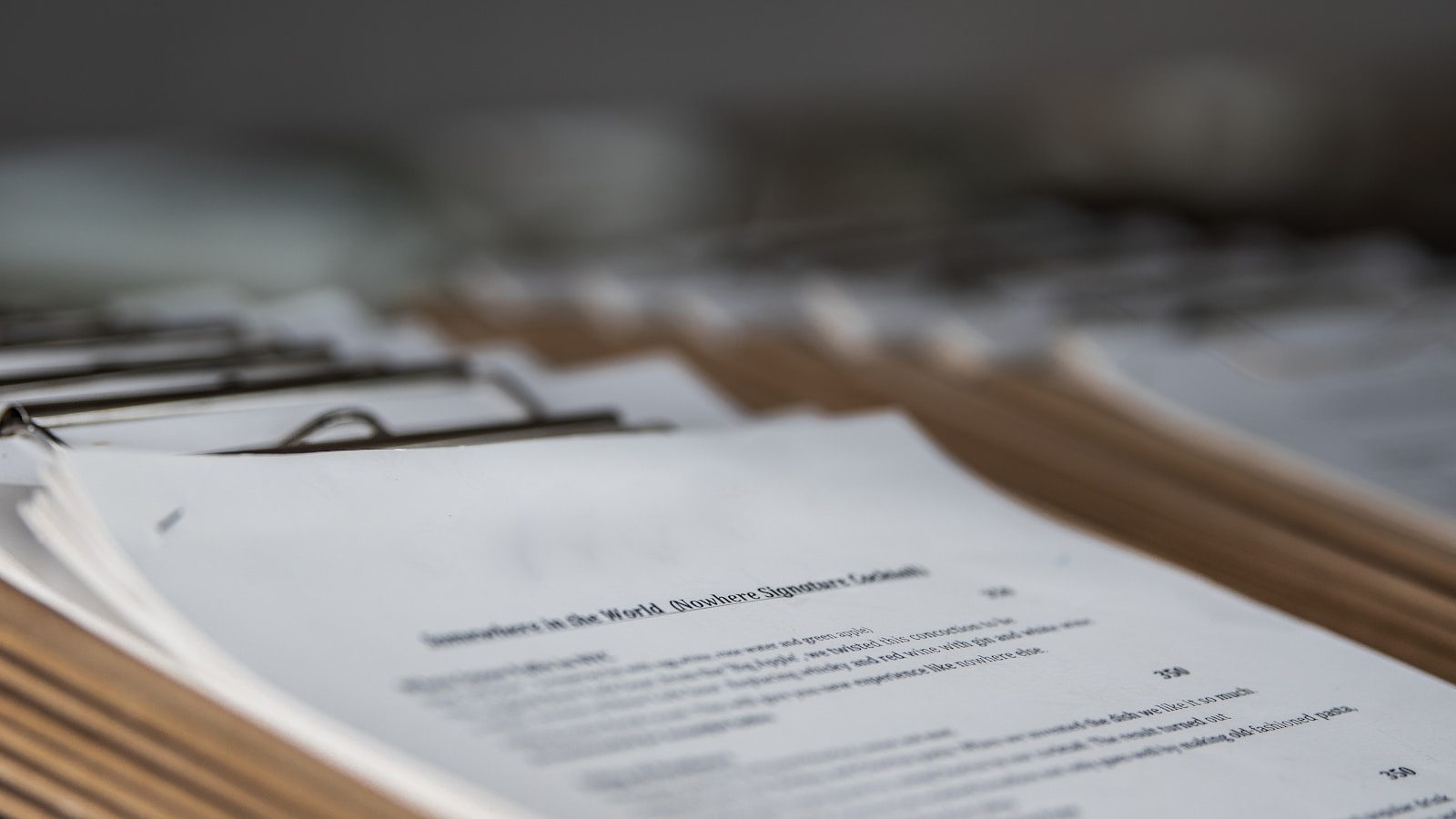
Selling without an agent means taking on paperwork responsibilities an agent would normally coordinate and manage on your behalf, a genuine shift in what falls to you personally throughout the process. Understanding exactly what changes helps you approach this without assuming either that everything becomes dramatically more complicated, or that nothing changes at all.
What an Agent Normally Handles on the Paperwork Side
An agent typically manages listing paperwork, coordinates disclosure form completion, handles offer and counteroffer documentation, and often serves as the main point of contact organizing document flow between all parties throughout a traditional transaction.
What Falls to You Directly Without an Agent
Without this coordination, you become the direct point of contact for gathering and providing documentation, communicating directly with the buyer, title company, and any attorney involved, rather than having a single representative managing this communication on your behalf.
Why a Cash Sale Simplifies This Considerably
A direct cash sale already involves less overall paperwork than a traditional, financed transaction, since there is no lender-required documentation, no financing contingency paperwork, and often no formal inspection contingency process, meaning even without an agent, the total document burden is genuinely more manageable than it would be in a traditional sale.
What the Title Company Still Handles Regardless
Even without an agent, your title company still manages the title search, prepares the deed and settlement statement, and coordinates the actual closing paperwork, meaning you are not entirely without professional support throughout the process, just without the specific coordination role an agent would normally provide.
Why Disclosure Requirements Do Not Change
Your legal obligation to disclose known material property issues remains exactly the same whether or not an agent is involved, meaning this specific paperwork requirement genuinely falls to you regardless, agent or no agent, and deserves the same careful, honest attention either way.
Whether an Attorney Becomes More Valuable in This Situation
Without an agent’s typical coordination and paperwork oversight, some homeowners find engaging an attorney, even for a relatively straightforward cash sale, provides valuable additional guidance and review that an agent might have otherwise provided as part of their normal role.
What Genuinely Does Not Change at All
The fundamental documents themselves, deed, title report, settlement statement, remain exactly the same regardless of whether an agent is involved, since these are standard transaction documents tied to the sale itself rather than to whether an agent happens to be coordinating the process.
Making Sure You Have Everything Organized
The exact paperwork checklist provides the complete list of documents worth gathering regardless of whether an agent is involved, particularly useful without an agent’s typical prompting to ensure you have not overlooked anything genuinely important.
Approaching This Without Unnecessary Worry
Selling without an agent genuinely shifts some coordination responsibility onto you directly, though it does not fundamentally change what documents are actually needed, and a direct cash sale’s simpler overall structure means this shift is considerably more manageable than it might initially sound.

Leave a Reply